

Professional Exhumation & Reinterment Services
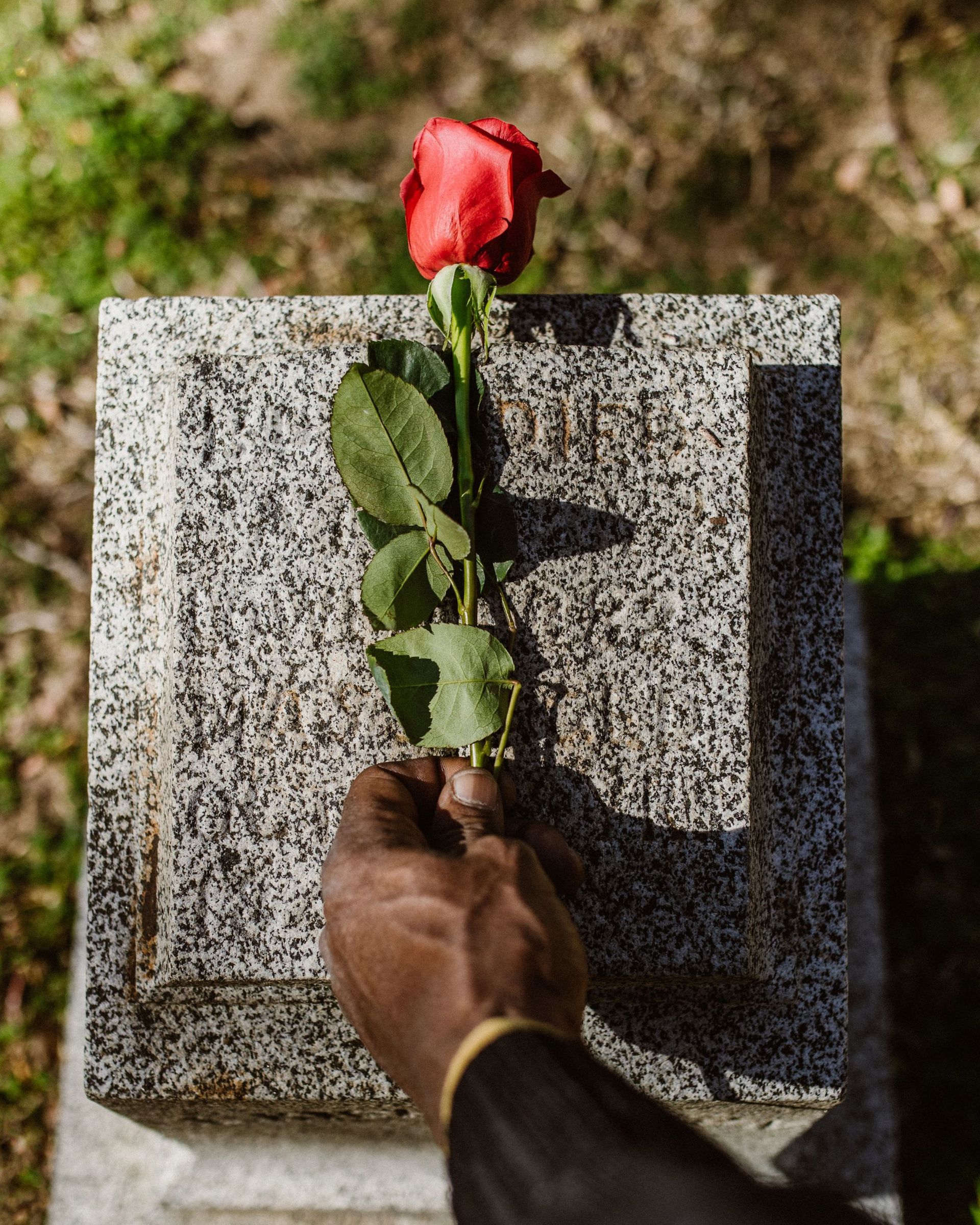
New Life Burials provides professional exhumation and reinterment services to private individuals, corporations, government departments, municipalities, and legal representatives throughout South Africa. Every exhumation is conducted in strict compliance with all applicable legislation, municipal regulations, and health and safety protocols, ensuring the highest standards of professionalism, dignity, and respect.
Working alongside a team of qualified archaeologists and experienced forensic specialists where required, we manage both private and large-scale corporate exhumation projects with precision and sensitivity. Our extensive national network of trusted funeral directors enables us to coordinate exhumations and reburials efficiently in every province of South Africa.
From obtaining the necessary statutory approvals to the respectful exhumation, transportation, and reinterment of human remains, New Life Burials delivers a seamless, fully managed service that prioritises legal compliance, compassionate care, and operational excellence.

When Exhumations Are Needed?
- Family wishes to relocate remains (from one cemetery to another)
- To cremate remains that were previously buried
- For forensic or court‑ordered investigations (cause of death, missing persons, etc.)
- Corporate / governmental exhumations (e.g. to relocate graves for development, heritage projects, or reburial of exiles)
Step‑by‑Step Process for Exhumation
1.
Initial enquiry & assessment — Determine burial site, ownership, reason for exhumation. Check whether heritage or age restrictions apply.
2.
Liaise with local municipality / cemetery authority — Apply for the exhumation permit; pay municipal fees; ensure cemetery gives permission. Provide required forms / proof of consent.
3.
Obtain SAHRA approval (if needed) — for graves over threshold, heritage or unknown graves. Archaeological oversight may be required.
4.
Court Order if required — Resolve disputes or if law demands. Some by‑laws require court involvement in specific cases.
5.
Prepare for exhumation — Engage registered undertaker. Prepare equipment, schedule with municipality, ensure environmental health officer is involved. Screen site, arrange for proper transport / containment.
6.
The exhumation event — Undertake the removal carefully, with required municipal oversight. If reburial, ensure new burial plot is prepared; if cremation, transfer as needed.
7.
Aftercare / reinterment / cremation- Once exhumed, the remains either re‑buried or cremated, following health, safety, and legal requirements. Document the transfer. Provide certificates where needed.

Special Considerations for Corporate Clients
- Larger scale exhumations (e.g. to clear land for development) may require environmental impact assessments, community consultation.
- Heritage or ancestral graves will require special protocols, possibly public participation.
- Responsibility for costs, permits, transport; corporate clients often coordinate with multiple government bodies.
Notes / Disclaimers
- Laws and by‑laws may vary by province and municipality in South Africa. Always confirm with local authorities.
- Legal requirements may change; documents and approvals may take time.
- Cultural or religious customs may require additional measures beyond statutory requirements.
Legal / Regulatory Considerations in SA
- Insurance / policy providers are regulated under the Insurance Act and/or relevant financial services regulations.
- Policy documents must be clear about premiums, exclusions, waiting periods, and payout processes.
- Funeral parlours that act as intermediaries must ensure they are not misrepresenting policies.
- Consumers have rights to disclosure, cooling off, complaint resolution (e.g., via the FAIS Act, Ombud
- for Long‑Term Insurance).